
How to Build a WhatsApp Passwordless Login System via API (2025 Guide)
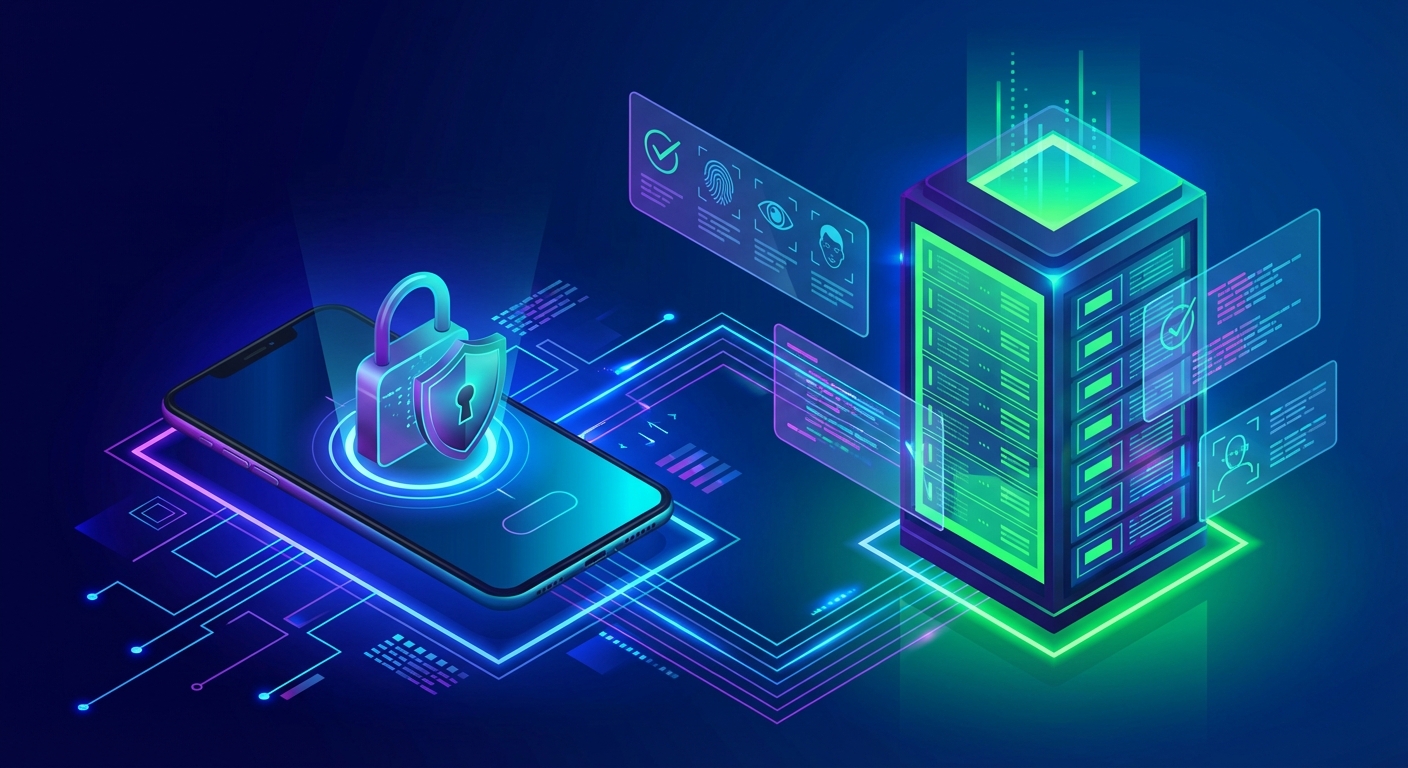
User authentication is undergoing a massive transformation in 2025. For years, businesses have relied on traditional passwords and SMS-based One-Time Passwords (OTPs) to verify user identities. However, as SMS costs skyrocket and delivery rates plummet due to carrier filtering, developers are desperately searching for a better, more reliable alternative. If you are looking to implement a whatsapp passwordless login api, you are in the right place. Transitioning your authentication flow to WhatsApp is no longer just a neat trick; it is a strategic necessity for modern applications.
Passwords are inherently flawed. Users forget them, reuse them across multiple platforms, and frequently abandon sign-up processes when forced to create complex combinations of symbols and numbers. While SMS OTPs solved the password problem temporarily, they introduced new friction: delayed messages, SIM-swapping vulnerabilities, and exorbitant international sending costs. By leveraging WhatsApp for authentication, businesses can provide a seamless, secure, and instantaneous login experience. In this comprehensive guide, we will explore exactly how to architect a passwordless login system using WhatsApp, why it outshines traditional methods, and how developers can integrate it seamlessly into their tech stacks.
The Hidden Costs and Risks of Traditional SMS OTPs
Before diving into the solution, it is crucial to understand why the industry is moving away from SMS. For a long time, SMS was the gold standard for Two-Factor Authentication (2FA) and passwordless magic links. However, the telecommunications landscape has shifted dramatically. First and foremost is the issue of cost. Sending an SMS OTP to a user in certain regions can cost anywhere from $0.05 to $0.15 per message. If your application has thousands of daily active users logging in, your authentication bill can quickly spiral out of control.
Secondly, SMS delivery is notoriously unreliable. Carrier networks frequently filter automated messages as spam, leading to delayed or completely dropped OTPs. When a user is trying to log into your SaaS platform or complete an e-commerce checkout, a 30-second delay in receiving an OTP often results in cart abandonment or a lost user. Furthermore, SMS is not end-to-end encrypted. Messages can be intercepted by malicious actors, and SIM-swapping attacks have become increasingly common, compromising user accounts with alarming ease. These vulnerabilities make SMS a subpar choice for modern, security-conscious applications.
What is a WhatsApp Passwordless Login API?
A whatsapp passwordless login api is a modern authentication framework that entirely replaces passwords and SMS OTPs with WhatsApp messages. Instead of asking a user to remember a password or wait for a text message, your application simply asks for their phone number. Your backend system then generates a secure, time-sensitive authentication token and sends it directly to the user's WhatsApp account via an API. This message typically contains a clickable magic link or a secure OTP code.
Because WhatsApp operates over the internet rather than traditional cellular networks, message delivery is nearly instantaneous and boasts a 99.9% read rate. When the user receives the WhatsApp message, they simply tap the magic link or copy the code to log into your application. This flow drastically reduces user friction, enhances security through end-to-end encryption, and leverages an app that billions of people already have installed and trust.
5 Reasons to Switch to WhatsApp for User Authentication
If you are still on the fence about migrating your authentication flow, consider the profound benefits that a WhatsApp-first approach provides. The advantages extend far beyond just saving a few cents on SMS; they fundamentally improve the user experience and your bottom line.
1. Massive Cost Savings for Developers
Unlike official SMS gateways that charge per message, utilizing an unofficial WhatsApp API allows developers to send unlimited authentication messages for a flat monthly fee. This predictable pricing model is a game-changer for startups and scaling SaaS companies. Instead of punishing your budget as your user base grows, your authentication costs remain stable, allowing you to allocate resources to product development rather than telecom fees.
2. Unmatched Delivery Rates and Speed
WhatsApp messages are delivered via the internet, bypassing the complex web of global telecom carriers. This means that whether your user is in New York, London, or Tokyo, they will receive their login link instantly, provided they have an internet connection. Faster delivery times directly correlate with higher conversion rates during the onboarding and login phases.
3. Enhanced Security and Trust
WhatsApp features robust end-to-end encryption, ensuring that the magic link or OTP cannot be intercepted in transit. Furthermore, businesses can use verified senders or branded profiles, adding a layer of trust. When a user sees a professional WhatsApp message with clear branding, they are much more likely to engage with it compared to a generic, random SMS shortcode.
4. Rich Media and Interactive Buttons
While SMS is limited to plain text, WhatsApp allows for rich formatting. You can send interactive CTA (Call to Action) buttons directly in the chat. Instead of asking a user to copy and paste a 6-digit code, you can simply send a message with a button that says Log Me In. When the user taps the button, a webhook is triggered, instantly authenticating their session on their device. This creates a magical, zero-friction user experience.
5. Global Accessibility
With over two billion active users worldwide, WhatsApp is the default messaging application in many parts of Europe, Latin America, and Asia. By offering WhatsApp authentication, you are meeting your users exactly where they already spend their digital lives, removing the need for them to switch contexts or rely on spotty cellular reception.
Anatomy of a Secure WhatsApp Authentication Flow
Building a robust authentication system requires careful planning. While the user experience should feel like magic, the backend architecture must be rock-solid to prevent unauthorized access. Here is a step-by-step breakdown of how a secure WhatsApp passwordless login flow should operate.
Step 1: The User Request
The journey begins on your application's login page. Instead of a username and password field, the user is presented with a single input field asking for their WhatsApp phone number. The user enters their number and clicks Submit.
Step 2: Token Generation
Your backend server receives the phone number and verifies if it corresponds to an existing account (or creates a new one if it is a sign-up flow). The server then generates a cryptographically secure, single-use token (such as a JWT or a random alphanumeric string). This token must be stored in your database alongside a strict expiration timestamp, typically 5 to 10 minutes.
Step 3: Message Dispatch via API
Your backend constructs a personalized message containing the magic link (e.g., https://yourapp.com/auth?token=XYZ123) or a secure OTP. This payload is then sent to your WhatsApp API provider. The API instantly routes the message to the user's WhatsApp inbox.
Step 4: User Interaction
The user receives a push notification on their phone, opens WhatsApp, and clicks the magic link. If they are logging in on a desktop, clicking the link on WhatsApp Web will automatically authenticate their desktop browser session if you implement cross-device session polling.
Step 5: Validation and Access
When the magic link is clicked, the request hits your backend. Your server verifies the token against the database, checks that it has not expired, and ensures it hasn't been used before. Once validated, the server invalidates the token, generates an active session cookie or access token, and redirects the user to the authenticated dashboard.
Real-World Applications: Who Benefits Most?
Virtually any digital platform can benefit from streamlined authentication, but certain industries see immediate, massive ROI when implementing WhatsApp login systems.
SaaS and B2B Platforms
For SaaS companies, user activation is a critical metric. Every extra step in the onboarding process results in drop-offs. By allowing professionals to log in via a quick WhatsApp message, SaaS platforms can significantly boost their trial-to-paid conversion rates. It also simplifies access for enterprise users who may be locked out of company emails but always have their phones handy.
E-Commerce and Retail
Cart abandonment is the bane of e-commerce. Often, users abandon their carts because they are forced to create an account or remember an old password during checkout. Implementing a one-click WhatsApp login at the checkout stage removes this barrier entirely. Users can authenticate themselves in seconds, directly leading to higher sales and better customer retention.
Fintech and Crypto Apps
Security is paramount in financial applications. While these apps often require strict 2FA, SMS is no longer considered secure enough due to SIM-swapping. WhatsApp provides a more secure, encrypted channel for delivering secondary authentication codes or authorizing high-value transactions.
Security Best Practices for WhatsApp Magic Links
While WhatsApp is highly secure, the way you handle the tokens on your backend dictates the overall safety of your application. Developers must adhere to strict security protocols to prevent token hijacking and replay attacks.
First, always enforce strict expiration times. A magic link should never be valid for more than 10 minutes. The shorter the window, the smaller the attack surface. Second, implement single-use tokens. The moment a token is successfully validated, it must be immediately destroyed or marked as used in your database to prevent replay attacks.
Third, consider implementing rate limiting on the token request endpoint. Malicious bots may attempt to spam phone numbers with login requests, which could annoy users and consume your API resources. Limit requests to a reasonable number, such as three requests per IP address or phone number every 15 minutes.
Finally, for high-security applications, consider device fingerprinting. If a login request is initiated on a desktop browser, but the magic link is clicked on a mobile device, you should display a confirmation screen on the mobile device asking the user to verify the login attempt, rather than automatically authenticating the mobile browser. This ensures that cross-device logins are intentional and secure.
Why Unofficial WhatsApp APIs are Perfect for Authentication
When building a login system, developers have the choice between the Official Meta API and Unofficial WhatsApp APIs. For authentication purposes, unofficial APIs like WaSenderAPI often provide a distinct advantage. The official API requires strict template approvals for every message sent. If Meta decides your authentication template violates a nuanced policy, your entire login system could go down instantly.
Furthermore, the official API charges per conversation. If a user logs in multiple times outside of a 24-hour window, you pay for each authentication attempt. Unofficial APIs operate by connecting a dedicated WhatsApp number directly to the API, allowing you to send transactional messages like OTPs and magic links without template restrictions or per-message fees. This flexibility is vital for developers who need to iterate quickly and keep infrastructure costs incredibly low.
How to Start Building Your Authentication Flow
Ready to ditch passwords and build a frictionless login experience? The implementation process is straightforward. You will need a backend server (Node.js, Python, PHP, etc.), a database to store temporary tokens, and a reliable WhatsApp API connection. You will set up an endpoint to receive phone numbers, generate the token, and make a simple HTTP POST request to send the WhatsApp message.
To get started with the integration, configure your sending number and review the exact endpoints required for message dispatch. For comprehensive details on structuring your API requests and handling webhooks, please refer to our official API documentation.
Conclusion: Embrace the WhatsApp Passwordless Login API
The era of frustrating passwords and expensive, delayed SMS OTPs is rapidly coming to an end. Users demand speed, convenience, and security, while businesses require cost-effective, reliable infrastructure. By integrating a robust whatsapp passwordless login api, you are not just adopting a new technology; you are fundamentally upgrading your user experience. You will drastically reduce onboarding friction, eliminate the security risks associated with weak passwords, and save thousands of dollars in telecom fees.
Whether you are building the next big SaaS platform, an e-commerce empire, or a secure mobile application, WhatsApp authentication provides the perfect balance of security and usability. Start building your passwordless future today, and give your users the seamless, one-click login experience they deserve.
Related Posts
n8n + WaSenderAPI: Master WhatsApp Automation Without Code (2025 Guide)
Discover the most affordable WhatsApp automation solution only $6/month with WaSenderAPI combined with no-code n8n workflows. Build perfect, custom WhatsApp automations quickly and easily without coding. Follow our step-by-step guide to save costs while creating powerful, scalable, and secure WhatsApp messaging for your business.

Create a Free WhatsApp AI Chat Bot with Python and Gemini (Full Guide)
Learn how to create a free WhatsApp AI chatbot using Python, Google’s Gemini API, and WaSenderAPI. This step-by-step guide helps you build and deploy an intelligent WhatsApp assistant at minimal cost no need for WhatsApp Business API.

WhatsApp API Rate Limits Explained: How to Scale Messaging Safely in 2025
Struggling with WhatsApp messaging restrictions? Learn how Meta's tier system works, how to upgrade your daily limits, and how to scale your broadcasts safely without getting banned.