
How to Use WhatsApp API for Hotels to Automate Guest Communication & Boost Bookings
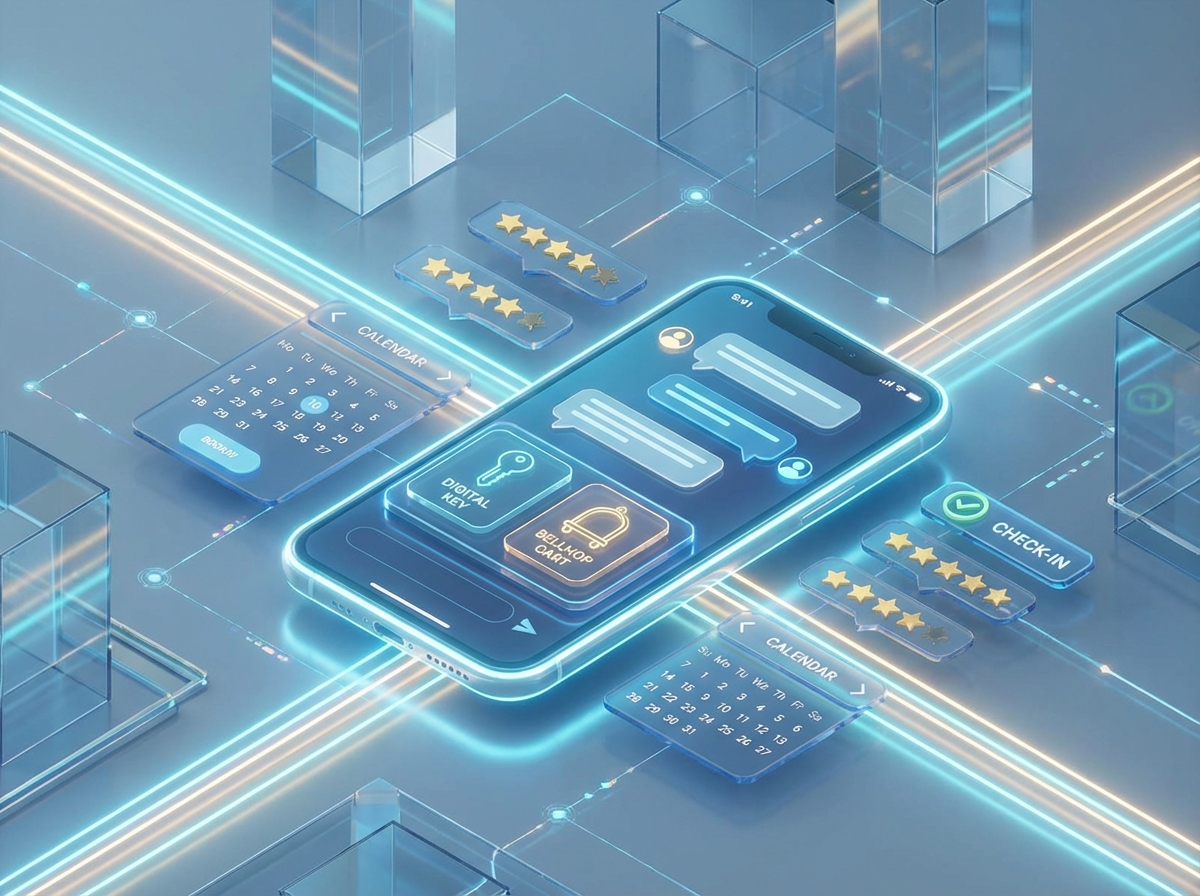
The New Standard of Hospitality: Mobile-First Guest Experiences
The hospitality industry is undergoing a massive digital transformation. Today's travelers don't want to wait in long lines at the front desk, nor do they want to call reception just to ask for extra towels. They want instant, seamless, and personalized communication right from their smartphones.
Enter the WhatsApp API for hotels. With over 2 billion active users worldwide, WhatsApp is already the default messaging app for your guests. By integrating this powerful tool into your Property Management System (PMS) or CRM, you can completely revolutionize the guest experience.
If you are still relying on ignored emails or outdated in-room landlines, you are leaving money on the table and risking negative reviews. In this comprehensive guide, we will break down exactly how leveraging a WhatsApp API can automate your hotel's communication, reduce staff workload, and drastically increase your revenue per available room (RevPAR).
Why Hotels Need WhatsApp Automation in 2025
Let's look at the data. Traditional email open rates in the hospitality sector hover around 20%. That means 80% of your pre-arrival instructions, upsell offers, and welcome messages are never even seen by your guests.
WhatsApp, on the other hand, boasts an astonishing 98% open rate, with most messages read within the first three minutes of delivery. When you use the WhatsApp API for hotels, you are communicating with guests on a platform they already trust and check dozens of times a day.
Beyond open rates, WhatsApp automation solves a critical operational bottleneck: front-desk overwhelm. During peak check-in and check-out hours, your staff is often stretched thin. By automating routine questions, booking confirmations, and service requests via WhatsApp, your team can focus on what truly matters—delivering exceptional, face-to-face hospitality.
Furthermore, modern travelers expect contactless options. From digital room keys to mobile ordering for room service, bridging the gap between your hotel's software and your guest's smartphone via WhatsApp is the ultimate competitive advantage.
Top 7 Use Cases of WhatsApp API for Hotels
Integrating an API isn't just about sending text messages; it's about creating automated workflows that trigger at specific points in the guest journey. Here are the most profitable ways hotels are using WhatsApp automation today.
1. Instant Booking Confirmations and Itineraries
The moment a guest books a room directly on your website or via an OTA (Online Travel Agency), your system should automatically trigger a confirmation message via WhatsApp. This immediate touchpoint builds trust and sets a premium tone for their upcoming stay.
- Provide essential details: Include check-in times, booking reference numbers, and a Google Maps link to the property.
- Reduce no-shows: Automated reminders sent 48 hours before arrival drastically lower cancellation rates.
- Direct communication: Guests can easily reply to the confirmation message if they need to modify their booking, keeping the conversation centralized.
2. Contactless Pre-Arrival Check-Ins
Waiting in line after a long flight is a universal pain point for travelers. You can eliminate this friction entirely by sending an automated WhatsApp message 24 hours before arrival, inviting the guest to complete a digital check-in.
Through a secure link sent via WhatsApp, guests can upload their ID, provide a credit card for incidentals, and sign registration cards. Once they arrive, they simply pick up their physical key (or receive a digital key code directly in the WhatsApp chat) and head straight to their room.
3. Upselling Room Upgrades and Add-Ons
WhatsApp is a highly effective upselling channel because it feels personal and timely. Instead of blasting generic emails, you can use the API to send targeted offers based on the guest's booking profile.
For example, if a couple books a standard room for a weekend, you can trigger an automated message offering a discounted upgrade to a suite with a balcony, or a special rate on a couples' spa package. Because the message arrives directly on their phone while they are in the "planning" mindset, conversion rates for these upsells often skyrocket by 30% or more.
4. Automated Room Service and Amenity Requests
Say goodbye to the printed room service menu and the bedside telephone. Forward-thinking hotels are turning their WhatsApp channel into a 24/7 digital concierge.
Guests can simply text "I need extra pillows" or "Can I order a club sandwich?" to your hotel's WhatsApp number. By connecting your API to a basic AI chatbot or directly to your operational software, these requests can be automatically routed to housekeeping or the kitchen without the front desk ever needing to answer a phone.
5. Post-Stay Review Requests and Feedback
Online reputation is everything in the hospitality business. A one-star increase in your average TripAdvisor or Google rating can allow you to raise your daily rates significantly without losing occupancy.
Instead of hoping guests leave a review, use the WhatsApp API to automatically send a polite follow-up message two hours after check-out. Ask them to rate their stay from 1 to 5. If they reply with a 4 or 5, automatically reply with a link to your Google Business profile. If they reply with a 1, 2, or 3, route the chat immediately to a manager to resolve the issue privately before it becomes a public bad review.
6. 24/7 AI Concierge Chatbots
Guests ask the same questions every single day: "What time is breakfast?", "What is the Wi-Fi password?", "Where is the gym?". Answering these repetitive questions drains your staff's time.
By connecting a conversational AI (like ChatGPT) to your WhatsApp API, you can build an intelligent virtual concierge. This bot can instantly answer 80% of guest inquiries in multiple languages, ensuring guests get the information they need at 3 AM without waking up the night auditor.
7. Loyalty Program Management and Direct Re-booking
OTAs like Booking.com and Expedia take massive commissions (often 15-25%). Your ultimate goal should be converting OTA guests into direct bookers for their next stay.
Use WhatsApp to manage your loyalty program. Send personalized offers on the guest's birthday, or offer a 15% discount code if they book their next stay directly through your WhatsApp channel. The convenience of booking via a quick chat makes guests much more likely to bypass the OTAs entirely.
How to Implement WhatsApp API for Your Hotel
Integrating a WhatsApp API might sound highly technical, but modern solutions have made it incredibly straightforward. You do not need to build a massive software infrastructure from scratch.
The core concept relies on Webhooks and API endpoints. Whenever an event happens in your PMS (like a room status changing to 'Clean' or a guest checking in), your system sends a payload to the WhatsApp API, which then dispatches the pre-written message to the guest's phone number.
To set this up, your development team or IT partner will simply connect your existing software to the API provider. If you want to see exactly how simple the technical integration is, you can share our comprehensive API documentation with your developers.
Even if you don't have a dedicated developer, you can use no-code automation platforms like Make.com or n8n to connect your hotel CRM directly to the WhatsApp API in just a few hours.
Official Meta API vs. Unofficial WhatsApp APIs for Hospitality
When choosing a WhatsApp API for hotels, you will face a critical decision: should you use the Official Meta API or a reliable Unofficial API provider like WasenderAPI?
The Official Meta API comes with strict rules. Meta charges you per conversation (usually a 24-hour window), and every marketing or template message must be pre-approved by Meta. If you run a busy hotel with hundreds of guests checking in daily, these per-message costs can quickly spiral into thousands of dollars a month. Furthermore, Meta's strict 24-hour rule prevents you from following up with guests days or weeks after their stay without paying for a new conversation.
Unofficial APIs (like WasenderAPI) operate by linking a standard WhatsApp Business app via QR code to a powerful API backend. This offers several massive advantages for hotels:
- Predictable, Flat Pricing: You pay a low monthly subscription, allowing you to send unlimited messages without worrying about per-conversation fees eating into your margins.
- No Template Approvals: You can change your automated messages, upsell offers, and check-in links on the fly without waiting days for Meta to approve your templates.
- No 24-Hour Restrictions: You can message a guest 6 months after their stay to offer them a direct booking discount, which is crucial for loyalty campaigns.
For independent hotels, boutique chains, and property managers looking for flexibility and high ROI, unofficial APIs are often the superior choice.
Best Practices for Hotel Guest Communication on WhatsApp
While automation is powerful, it must be used responsibly to maintain the luxurious, welcoming feel of hospitality. Keep these best practices in mind:
1. Always Get Opt-In: Ensure you collect the guest's phone number and consent to receive WhatsApp messages during the booking process or via a pre-arrival email.
2. Keep It Concise: WhatsApp is a rapid-fire messaging platform, not an email inbox. Keep your automated messages short, friendly, and to the point. Use bullet points and emojis to make the text scannable.
3. Provide a Human Escape Hatch: If you are using a chatbot to answer FAQs, always give the guest an option to type "Talk to staff" or "Human" to instantly route the chat to the front desk.
4. Personalize Every Message: Never send a generic "Dear Guest." Pull data from your PMS to include their first name, their specific room type, and the dates of their stay to make the automation feel bespoke.
5. Respect Time Zones: If you have international guests, ensure your automated pre-arrival messages are sent during waking hours in their local time zone, not at 3 AM.
Conclusion
The future of hospitality lies in meeting guests where they already spend their time: their smartphones. Implementing a WhatsApp API for hotels is no longer just a trendy tech gimmick; it is a fundamental operational upgrade that reduces staff workload, drives incremental revenue through upselling, and drastically improves guest satisfaction.
By automating the mundane tasks—like check-in instructions, Wi-Fi passwords, and review requests—you free up your staff to provide the warm, human touch that truly defines a five-star experience. Start building your automated guest journey today, and watch your direct bookings and positive reviews soar.
Related Posts
n8n + WaSenderAPI: Master WhatsApp Automation Without Code (2025 Guide)
Discover the most affordable WhatsApp automation solution only $6/month with WaSenderAPI combined with no-code n8n workflows. Build perfect, custom WhatsApp automations quickly and easily without coding. Follow our step-by-step guide to save costs while creating powerful, scalable, and secure WhatsApp messaging for your business.
Create a Free WhatsApp AI Chat Bot with Python and Gemini (Full Guide)
Learn how to create a free WhatsApp AI chatbot using Python, Google’s Gemini API, and WaSenderAPI. This step-by-step guide helps you build and deploy an intelligent WhatsApp assistant at minimal cost no need for WhatsApp Business API.

WhatsApp API Rate Limits Explained: How to Scale Messaging Safely in 2025
Struggling with WhatsApp messaging restrictions? Learn how Meta's tier system works, how to upgrade your daily limits, and how to scale your broadcasts safely without getting banned.